
Our PGDM curriculum is built on a distinctive 15:9 model, offering one of the most balanced, structured, and industry-ready learning journeys in management education. As an AICTE-approved and NBA-accredited program, it is trusted by recruiters and consistently appreciated by students for its depth, relevance, and real-world applicability.
The first 15 months of classroom-based enhanced teaching build a strong academic foundation through business fundamentals, emerging technologies, case-based learning, global immersion, and a rich ecosystem of developmental activities such as open electives, micro-credits, workshop weeks, certifications, induction programs, outbound learning, Yuva for Seva, leadership series, conferences, quizzes, résumé-writing sessions, and placement-oriented soft-skill training. A signature element of our pedagogy is the Sell-On activity, where students sell products made by physically challenged and underprivileged children—cultivating empathy, social responsibility, real-world selling skills, and an appreciation for inclusive business practices. Students further learn through simulations, leadership labs, industry interactions, research assignments, and hands-on projects that strengthen conceptual clarity and analytical skills.
To enhance domain readiness, students receive specialized certifications aligned with key managerial pathways:
These certifications ensure that students graduate with cutting-edge, job-ready skills that recruiters value.
The next 9 months of full-time internship/apprenticeship become the defining feature of the program—transforming classroom learning into measurable corporate performance. Unlike short summer internships, this extended immersion enables students to work on meaningful business problems, collaborate closely with industry leaders, understand organizational dynamics, and build deep domain expertise. This long-term exposure dramatically strengthens employability, leading to superior résumés, sharper analytical ability, higher professional maturity, and outstanding placement outcomes.
Supported by domestic and international partnerships, specialized electives, global study tours, and merit-based sponsored programs, the curriculum remains industry-relevant, future-ready, and globally aligned—preparing students to create impact from day one.
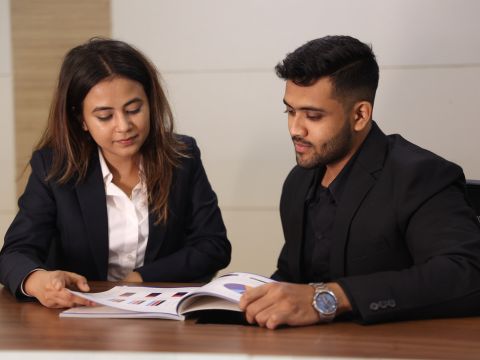


Our PGDM program in Business Analytics equips students with the tools to make informed decisions and develop effective business strategies. Designed to foster future data-driven leaders, this program is both innovative and forward-thinking.
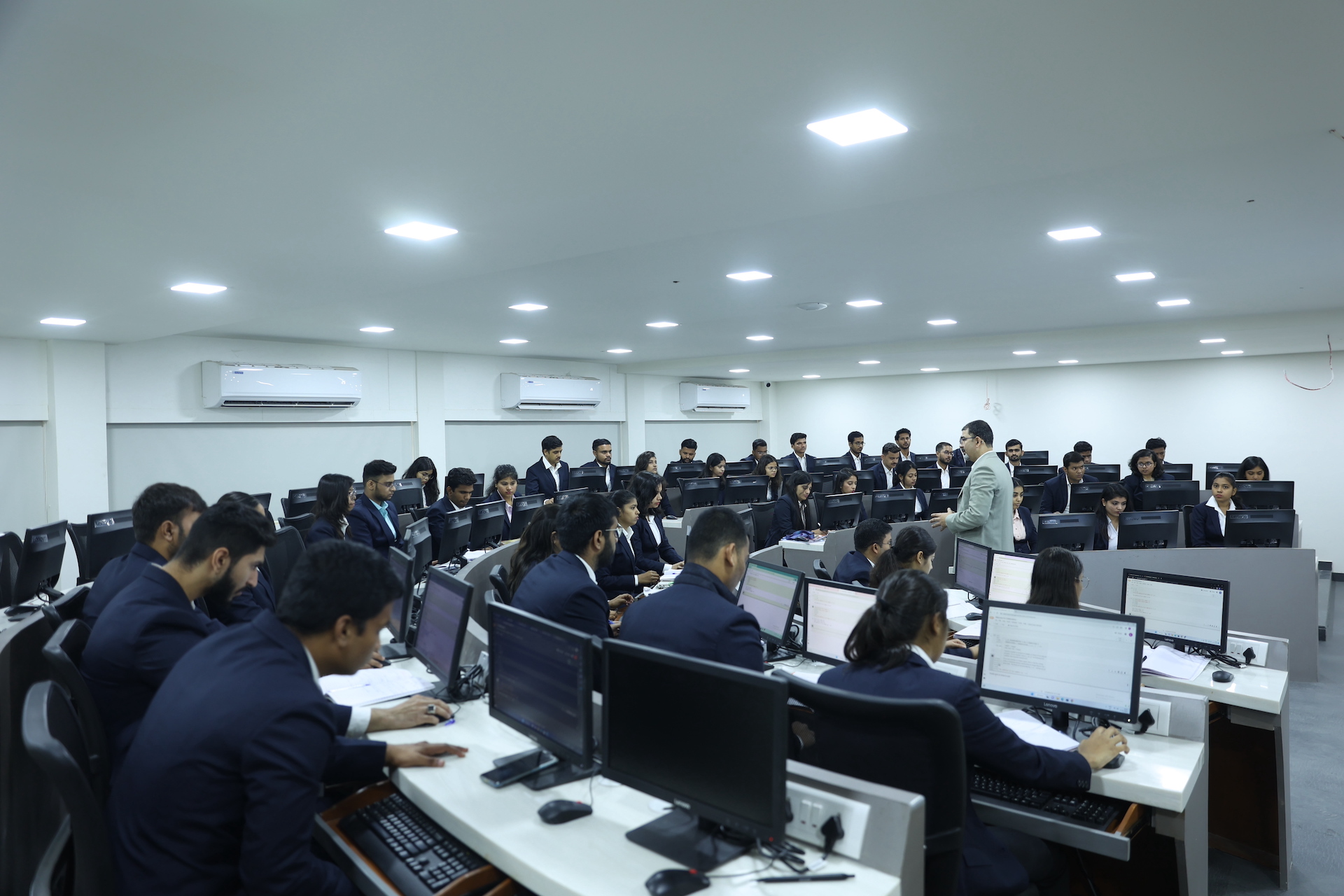
Our Banking and Finance specialization combines practical experience with academic theory, shaping students into exceptional professionals. This interdisciplinary degree equips graduates with the skills to excel in the complex world of finance and lead businesses to success.

Our PGDM program in marketing provides a deep understanding of market dynamics and the skills to succeed in business. Whether aiming to be a marketing strategist, sales executive, or brand manager, VBS helps you achieve your dreams.
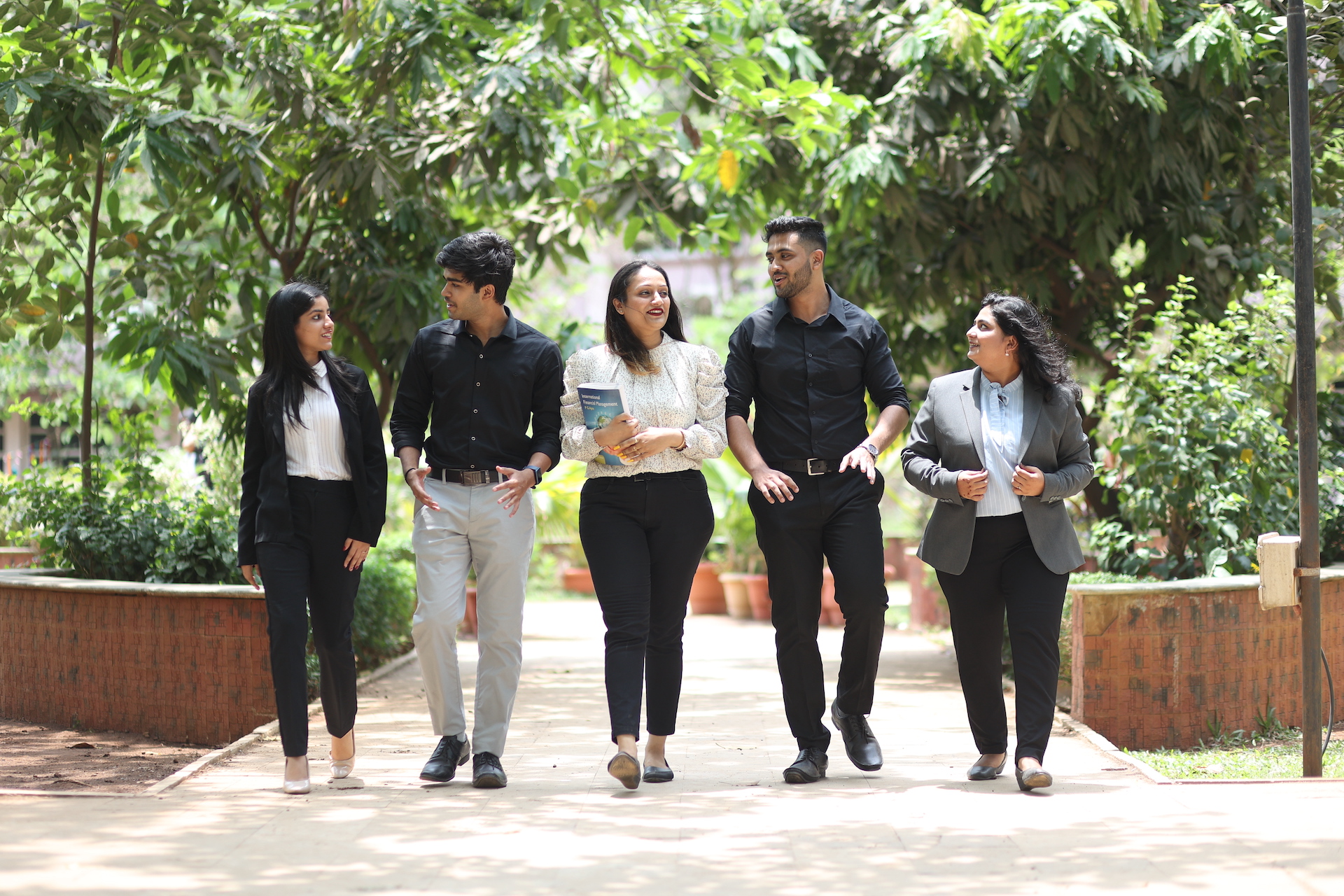
Human Resource Management is key to organizational success, attracting and preparing leaders for collaboration and strategic goals. Our PGDM in HRM offers unique subjects and activities, fostering immersive learning. Through participative pedagogy and industry engagement, we develop industry- ready HR leaders.

Operations and supply chain management are crucial, especially with increasing online activity. This specialization covers production, delivery, and market adaptation, supporting decision-making, demand prediction, cost reduction, and profit enhancement. VBS uses innovative methods to develop dynamic, ethical managers who excel globally and enjoy lucrative careers.
Vivekanand Business School (VBS) adopts a diverse range of student-centric, experiential, and application-oriented pedagogical practices to enhance the quality of teaching and learning. The pedagogical initiatives are designed to move beyond conventional classroom teaching by encouraging students to apply concepts, develop critical thinking, collaborate with peers, and gain exposure to real-world business situations.
Faculty members use cases from reputed published sources and develop relevant cases for classroom learning. Students analyse real-world business situations, identify problems, evaluate alternatives, and recommend solutions. This approach strengthens analytical thinking, decision-making, and problem-solving abilities.
In the flipped classroom approach, students are provided with topics and learning material in advance and are encouraged to prepare and present the content in class, often through group presentations. Students are also encouraged to demonstrate practical applications of concepts and theories. This approach promotes active learning, application of knowledge, peer learning, communication, and presentation skills.
Role play involves assigning students specific roles and simulating realistic business situations in the classroom. Faculty members facilitate and moderate the activity. Students experience different perspectives and develop communication, active listening, negotiation, interpersonal, and decision-making skills in an engaging environment.
Videos are used to supplement classroom teaching and make learning more engaging and relatable. Concept demonstrations, industry examples, and other relevant educational videos help students understand complex concepts, visualise practical applications, and connect theoretical knowledge with real-world situations.
Students undertake individual and group projects that require them to research, analyse information, and present their findings. Projects may involve company studies, industry research, field interactions, or practical assignments. This pedagogy develops critical thinking, problem-solving, research, collaboration, creativity, and communication skills.
Viva voce is used as an assessment method for selected individual and project-based assignments. Students are required to explain their work, justify their analysis, and respond to questions from faculty members. The process assesses conceptual clarity, analytical ability, reasoning, and communication skills.
Quizzes are used as a form of continuous, formative assessment. They may include multiple-choice, short-answer, conceptual, and case-based questions. Quizzes promote active recall, reinforce key concepts, provide timely feedback, and encourage students to engage continuously with the subject.
VBS regularly facilitates interaction between students and industry professionals through guest lectures and expert sessions. Industry experts share insights on current business practices, emerging trends, workplace expectations, and industry challenges. These sessions bridge the gap between academic knowledge and professional practice, making classroom learning more application-oriented.
VBS regularly organises workshops conducted by industry professionals, subject experts, and certified trainers. The workshops cover emerging and application-oriented areas such as People Analytics, Performance Management, Compensation & Benefits, Advanced Excel, Power BI, Generative AI, Prompt Engineering, ATLAS.ti, GST, Digital Operations, Marketing and other contemporary business practices.
The workshops incorporate interactive activities, demonstrations, case discussions, hands-on exercises, and practical applications. They enable students to connect theoretical concepts with workplace requirements and develop technical, analytical, communication, and problem-solving competencies.
Students are also encouraged to pursue industry-recognised certification programmes in areas aligned with their academic specialisations and career aspirations. Certification initiatives include programmes such as SHRM, Six Sigma, NISM, Digital Marketing and Generative AI.
These certifications provide students with structured learning beyond the prescribed curriculum and enhance their professional knowledge and employability. Students are encouraged to undertake certification programmes based on their Specialisation, enabling them to develop specialised competencies and demonstrate industry readiness.
Industrial and field visits provide students with opportunities to observe organisational processes and understand the practical application of management concepts. Students interact with industry professionals and gain exposure to functions such as human resources, finance, marketing, operations, and other business processes. Such visits enhance industry awareness and provide experiential learning beyond the classroom.
Outbound training is an integral experiential learning initiative at VBS, particularly during the student induction programme. Students participate in outdoor activities, team-building exercises, simulations, and adventure-based challenges designed to develop leadership, teamwork, communication, problem-solving, adaptability, and interpersonal skills. The activities enable students to experience management concepts in action.
VBS promotes project-based learning beyond the prescribed course curriculum. Students undertake live projects with organisations in their respective areas of specialisation. By working on real organisational problems and interacting with industry, students gain practical exposure and develop the ability to apply classroom knowledge to professional situations.
Through these initiatives, VBS strives to create an active, experiential, and industry-oriented learning environment. The pedagogical practices enable students to integrate theoretical knowledge with practical application while developing critical thinking, problem-solving, communication, teamwork, leadership, creativity, and professional competencies essential for successful careers in management.

Experiential Learning
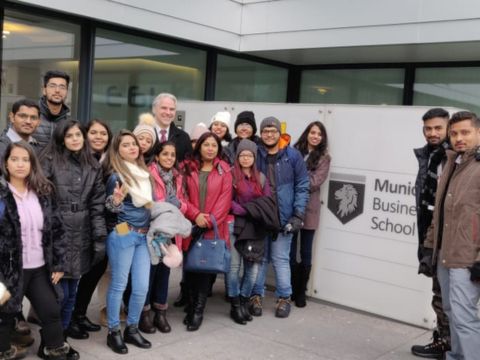
Be ready to dive into a world of limitless experiential learning opportunities. At VBS, we believe in learning by doing, and that's what sets us apartamong institutions offering a future-focused PGDM in Mumbai. With an ever-expanding network of industry partners, we're turning the classroom into a launchpad for real-world problem-solving, with the agility and global mindset needed to thrive in today's complex world.
Aarambh - Ice-breaking Activity
At VBS, we believe in creating agile leaders of tomorrow, which is why our very first experiential learning journey begins with Aarambh-our student induction program designed to shape future leaders. This program provides a series of ice-breaking activities and immersive experiences, through which students will develop the skills and mindset crucial for tackling challenges, fostering collaboration, and honing their problem-solving abilities.
Capstone Project
Discover the power of practical application in our Capstone Project. This opportunity empowers you to put all your acquired domain knowledge into action through a hands-on, real-world project. It ensures you're not just ready but fully armed to conquer the varied challenges awaiting you in your future career.
Conferences and Workshops
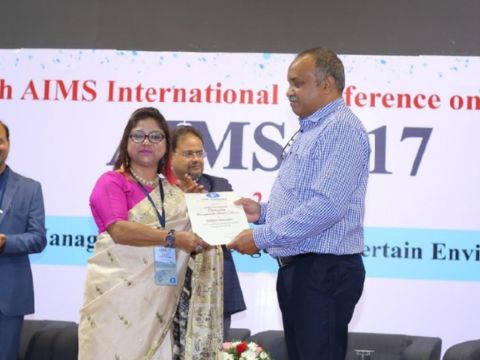
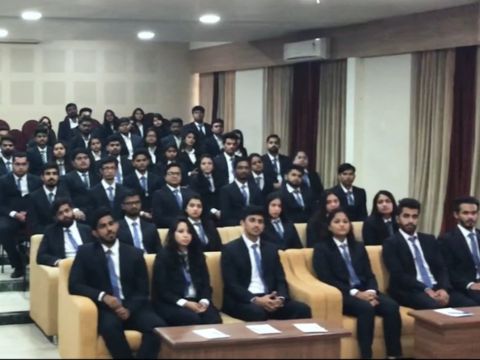
Step into a world where academia meets industry expertise, providing unparalleled opportunities for collaborative interactions and close associations with industry leaders, our conferences and workshops are not just regular events but immersive learning experiences that propel students into their field of expertise, broaden their network, and provide practical learning opportunities.
Certification Courses
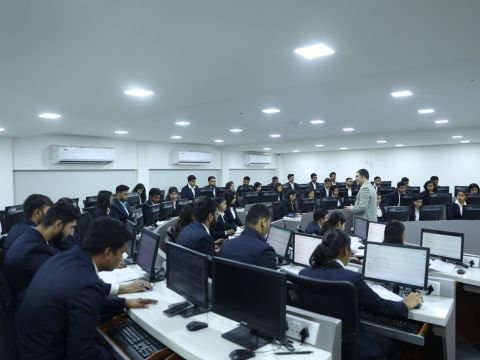
Propel your career forward with certifications that speak volumes. Our PGDM program offers a unique array of domain-specific certification courses that are meticulously crafted to enrich your expertise and drive you towards a thriving career. These courses are tailored to nurture MBA-ready skills, setting you apart in today's fiercely competitive job market.
Institution’s Innovation Council (IIC)
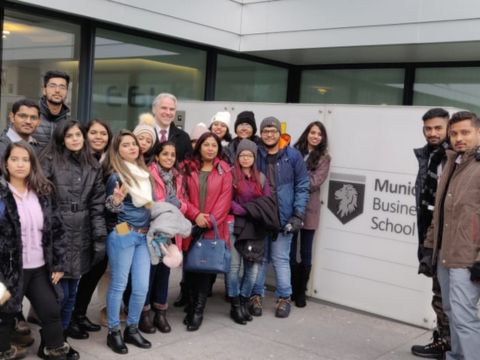
Inceptum Council is an initiative of IIC of Vivekanand Business School (VBS), functioning as an arm of IIC, nurtures an entrepreneurial and innovation-oriented mindset by bridging classroom learning with real-world business challenges. Guided by the Institution’s Innovation Council framework, it provides students with opportunities to explore ideas, engage with industry experts, participate in competitions, workshops and experiential initiatives, and transform concepts into actionable solutions. Through these experiences, students develop creativity, critical thinking, problem-solving, leadership, teamwork, communication and decision-making capabilities.
Inceptum empowers students to take initiative, build professional networks, embrace uncertainty and create value—preparing them not merely for employment, but to become confident, innovative and adaptable professionals and future leaders capable of making meaningful impact.

Simulations
At VBS, we don't just teach theory; we immerse you in an experiential learning adventure that mirrors the dynamic landscape of global business! Our business simulations are uniquely designed to challenge and empower you, fostering critical thinking and decision-making skills crucial for tomorrow's business leaders. Unleash your potential and step into the ultimate educational revolution with us!
Accelerated Career Entry (ACE)
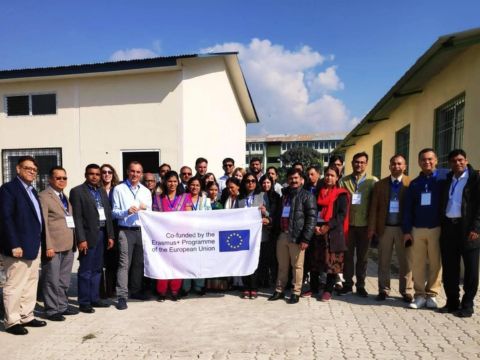
Where PGDM Begins to Become a Career At VBS, career readiness begins from Day One. The mandatory, credit-bearing Accelerated Career Entry (ACE) course transforms students from management learners into confident, corporate-ready professionals through a structured journey of self-discovery and professional development. Students undertake Strategic Self-Awareness and Market Mapping, Personal Brand Building, professional communication, corporate exposure, networking, interview preparation and workplace etiquette. Through industry interactions and the Structured Alumni Mentorship Programme, they gain practical insights, feedback and meaningful professional connections. Continuous projects, domain assessments and application-based activities encourage students to convert learning into action. ACE enables students to identify their strengths, define career goals, build professional credibility, communicate with confidence, respond to feedback and actively pursue opportunities—developing the mindset, capabilities and professional identity required to build a meaningful career.

Guru-shishya Mentorship
Your management journey is unique, and so is our approach! The Guru-Shishya Mentorship stands as a cornerstone of our PGDM Program, offering personalized one-to-one mentorship that seamlessly integrates faculty and students into a transformative partnership. Guided by our esteemed faculty, this program serves as the ultimate catalyst for shaping you into a future leader.
Note: The original copies and one set of attested photo copies of the above mentioned documents are required at the time of admission. If a candidate fails to submit the above Certificates within the prescribed period of time, the admission shall be treated as cancelled and no refund will be given.
VBS's Unique Profile-based selection process assigns significant value to academic performances, written test (CAT/XAT/MAT/ATMA/CMAT/CET) along with Personal Interview and Importance is given to every aspect of your application.
|
Name of Entrance Exams |
Cut - off (in percentile) |
|
CAT |
70 |
|
XAT |
65 |
|
CMAT |
70 |
|
MAT |
80 |
|
ATMA |
80 |
|
MAHCET |
80 |
|
Weightage of parameters for final selection |
|
|
1) Qualifying Entrance (CAT/XAT/MAT/ATMA/CMAT/CET) |
40% |
|
2) Academics (SSC, HSC, Graduation) |
25% |
|
3) Personal Interview |
30% |
|
4) Extracurricular activities |
5% |
PGDM Academic Fee Structure for Batch 2026-2028 |
|||
|
The total fees for the two-year PGDM program is ₹9.5 lakh, payable in four installments as follows: |
|||
|
|
1st Installment |
2nd Installment |
|
|
Tutorial |
2,47,500/- |
2,47,500/- |
|
|
Examination |
3,000/- |
3,000/- |
|
|
Library |
7,000/- |
7,000/- |
|
|
Caution Money Deposit |
2,500/- |
2,500/- |
|
|
1st Year Total Fee |
2,60,000/- |
2,60,000/- |
5,20,000/- |
|
Payable in the Month of |
At the time of Admission |
November |
|
|
|
3rd Installment |
4th Installment |
|
|
Tutorial |
1,95,500 |
1,95,500 |
|
|
Examination |
3,000 |
3,000 |
|
|
Alumni |
3,500 |
3,500 |
|
|
Library |
9,000 |
9,000 |
|
|
Innovation Lab |
4,500 |
4,500 |
|
|
2nd Year Total Fee |
2,15,000 |
2,15,000 |
4,30,000 |
|
March |
July |
|
|
|
Total Course Fees |
9,50,000/- |
||
Note I: The 1 st Installment fees to be paid as per the GD-PI result Announcement. Note II: Caution Money Deposit will be refunded after successful completion of course.
|
Particulars |
Amount |
|
Hostel Accommodation Charges (Annual) |
|
|
Non-AC Room |
1,20,000/- |
|
AC Room |
1,60,000/- |
|
Hostel Mess (for 10 Months) |
90,000/- |
|
Security Deposit (Refundable) |
5,000/- |
|
(Accommodation + Mess + Security Deposit) Total : |
|
|
Non-AC Room |
2,15,000/- |
|
AC Room |
2,55,000/- |
Note:If the student wishes to avail the hostel facility then they shall notify the Admission Team with prior information.
Our main goal is to keep students focused on their objectives, i.e. their careers. To assist them, we have teamed with reputable financial institutions to provide students with loans at reasonable rates.
Scholarship is provided by VES Business School to help their students be motivated to pursue quality education.
Talented and meritorious students regardless of their financial situation shall get opportunity to get International exposure. We take pleasure in encouraging every potential leaders of tomorrow to grab this opportunity. We want to help the best brains get Global exposure
25 Meritorious students would get opportunity to study abroad for one course at no extra cost, under our Academic Scholarship Scheme. This will not only give them chance to learn from some reputed Global University/Institution but gain an experience to interact with diverse students body and also get familiarised with Global Culture. This diversity would not only enrich the learning experience but also fosters a more inclusive culture.
Come Grab this Opportunity of immersing yourself in gaining knowledge and preparing to extend your boundary beyond the geography of the country.
By supporting students financially, institution would help foster a sense of community and social responsibility. Graduates who benefit from scholarships are often more inclined to give back to their communities, creating a cycle of support and positive impact.
Come and avail Scholarship worth Rs 50,00000, which would include all expenses of Travel, Accommodation, Food and Course fee of the students.
The eligibility criteria is purely -academic excellence!!!
VES Trust has always supported and helped needy and brilliant students from weaker sections of the society for further studies. VES Trust has been given financial assistance to the needy VES students in the name of “SAMARTHAN” for further education. The students may apply and get the financial assistance based on the eligibility criteria prescribed by the VES Trust. This financial assistance scheme will be subject to approval and approval related to all the rights are reserved.