5153Views 0Comments
Human-Centric Leadership: The Shift from Top-Down to Empathetic Management
Modern leadership is less about authority and more about understanding people. You now see a clear shift toward empathetic leadership that values people as much as performance. Organizations today face rapid change, workforce diversity, and rising expectations from employees. These realities demand leaders who listen, understand emotions, and act with purpose. Human-centric leadership responds to this need and reshapes how you lead teams in the modern workplace.
The evolution of leadership styles in the modern workplace
Leadership earlier focused on hierarchy and command. Managers focused on targets, processes, and compliance. Employees followed instructions with limited voice. It aligned with workplaces that faced limited change. Today’s workplaces operate in fast changing and uncertain conditions.
You work with multi generational teams in globally connected workplaces. Younger professionals expect openness and respect. Research from Deloitte highlights that employees increasingly value leaders who demonstrate empathy, authenticity, and human-centered decision-making. This shift highlights leadership psychology as a core capability.
Modern leadership emphasizes trust and connection. Leaders move from command driven roles to facilitator roles. This evolution defines the future of leadership across industries.
Organizations that adopt people-centered approaches report stronger business outcomes. Gallup research shows that teams with high employee engagement achieve up to 23 percent higher profitability. These results show why leadership styles continue to evolve.
Why empathetic leadership matters today
Empathetic leadership focuses on understanding emotions, challenges, and motivations. You acknowledge employee concerns and act with awareness. This approach improves engagement and retention in competitive job markets.
Empathetic leaders help teams perform better and work with greater confidence. People feel recognised and supported at work. This mindset lowers stress and helps teams stay engaged and present at work.
Emotional intelligence leadership shapes how leaders listen, understand, and act. Leaders stay aware of how people feel and respond in ways that build trust and clarity.
Empathy also improves decision making. Leaders listen to different viewpoints before they act. This strengthens innovation and problem solving. Organizations practicing leadership with empathy adapt faster during change. This shift shows empathy as a core leadership strength.
How human-centric leadership fosters a positive work culture
A human-centric leader creates safety and trust. You encourage open conversations and respect different viewpoints. This approach supports inclusive leadership across teams. Employees feel comfortable sharing ideas and feedback.
Positive cultures show measurable impact. Strong work cultures help retain employees. Leaders who practice people first build loyalty and responsibility. Teams collaborate more effectively and resolve conflicts faster.
Human-centric leadership also supports mental well being. Leaders stay aware of workload pressure and personal limits. Compassionate leadership strengthens teams during high pressure situations. This culture improves long term performance and employer reputation.
Benefits of empathetic leadership in today’s work environment
Empathy directly influences organizational performance and outcomes. Improved morale and stronger relationships enhance employee commitment.
Key benefits include:
- Higher employee engagement and productivity
- Lower staff turnover and recruitment-related costs.
- Stronger trust between leaders and teams
- Better conflict resolution and collaboration
Organizations that invest in leadership development for managers report faster internal promotions and stronger succession planning. Empathetic leadership prepares managers to handle complex people’s challenges with confidence.
Preparing students for empathetic leadership roles
Business education now focuses on more than technical knowledge. Students need emotional awareness and ethical judgment. Leadership capability develops through experiential learning and self-assessment.
Modern curricula are structured around case studies, collaborative projects, and authentic learning experiences. Leadership development programs integrate communication, self awareness, and decision making skills.
Preparing students for empathetic leadership ensures they remain relevant in evolving workplaces. You develop leaders who balance results with responsibility.
How Vivekanand Business School integrates leadership with emotional intelligence
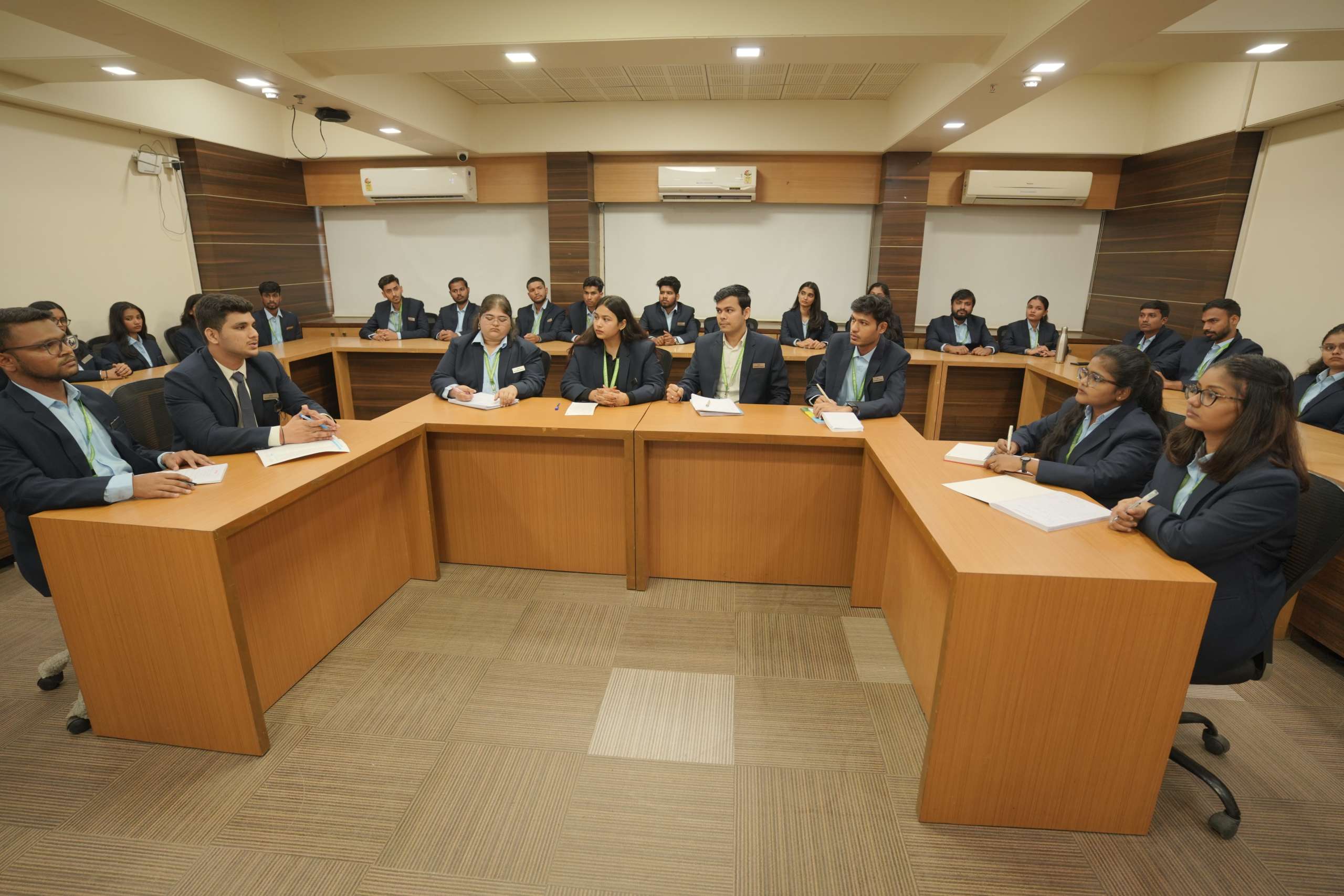
Vivekanand Business School integrates human-centric leadership principles throughout its PGDM courses in Mumbai. The programme is designed around experiential learning and applied self-assessment. Students engage in real world scenarios that require ethical and empathetic responses.
The institute integrates emotional intelligence through leadership labs, group assignments, and mentoring. Faculty members bring extensive industry experience and guide students through people management challenges. This approach bridges academic learning and workplace practice.
Students participate in leadership workshops and industry exposure. These initiatives strengthen self awareness and interpersonal effectiveness. The focus on holistic development prepares graduates to lead with empathy and purpose from day one.
Conclusion
Human-centric leadership defines success in modern organizations. You now see leadership as a responsibility toward people, purpose, and performance. Empathy strengthens trust, culture, and long-term outcomes. Leaders who integrate emotional intelligence with business understanding shape responsive and relevant workplaces.
At Vivekanand Business School, leadership development follows a clear pathway shaped by programme design, people, place, and quality outcomes. The 15-month academic journey followed by a 9-month paid internship ensures you move seamlessly from learning to application. A faculty body with 95 percent PhD-qualified professors, global immersion, and strong national rankings together create an environment where leadership with empathy is practiced, not just taught. This integrated learning environment supports leadership development, positioning Vivekanand Business School as the best institute for PGDM.
Author Bio:
Ms. Hetaal Palan is the Assistant Director – Branding, Marketing & Student Relations and Head – Alumni Relations at Vivekanand Business School (VBS), Mumbai. She leads strategic initiatives across institutional branding, student engagement, and alumni relations, playing a key role in strengthening VBS’s academic visibility and industry relevance. Her work focuses on aligning management education with evolving business, technology, and career trends.
LinkedIn: https://www.linkedin.com/in/hetaal-palan-00461737