5117Views 0Comments
The Future of Work: Hybrid Teams, Remote Leadership, and the Rise of Digital Nomads
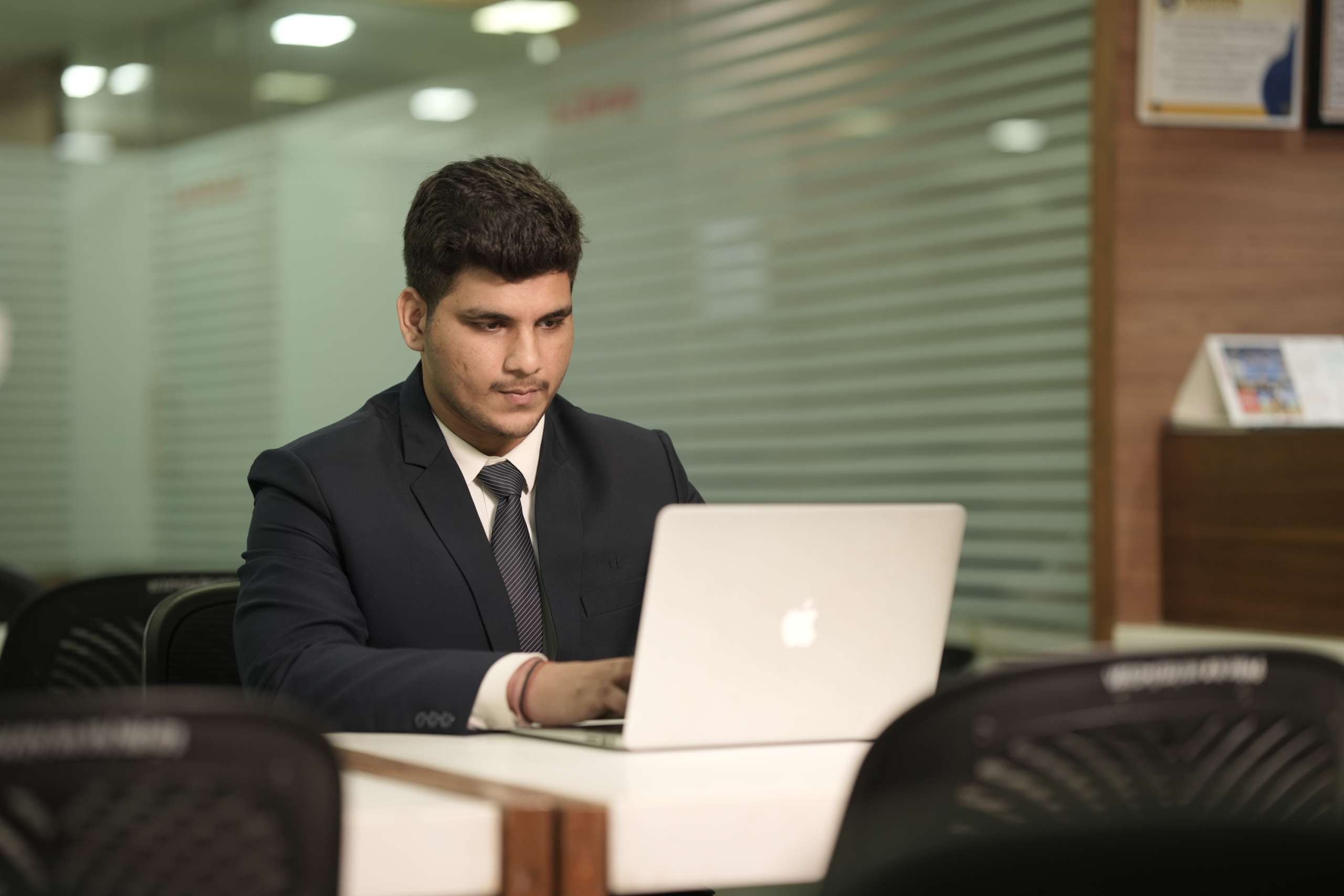
Work has changed faster in the last five years than in the previous twenty. You now lead teams that operate across cities and time zones. The hybrid work model stands at the center of this transformation. Organizations across India and the world redesign structures to balance flexibility and performance. Reports show that more than 70 percent of professionals prefer hybrid flexibility. It reshapes leadership, engagement, and talent strategy.
You do not manage individuals in one location. You lead connected teams across locations and systems.
The Rise of Hybrid Teams and the Hybrid Work Model
The hybrid work model brings office and remote work together in a balanced way. This structure improves access to talent and reduces infrastructure costs. Research indicates that companies adopting hybrid systems report up to 73 percent higher productivity.
You see three major shifts:
- Talent hiring expands beyond geography
- Work collaboration goes fully digital.
- Performance systems focus on outcomes
Hybrid teams increase diversity and innovation. Cross-functional collaboration becomes easier through structured digital workflows. Enterprise leaders are moving towards policies that support flexible work and stronger responsibility.
This rise also increases interest in location-independent careers. Many professionals explore digital nomad jobs across consulting, analytics, marketing, and product development. Leaders often ask, what is a digital nomad? A digital nomad works remotely while traveling or living in different locations. This professional uses digital tools to manage work and perform from any location.
Remote Leadership in a Distributed Workplace
Leadership has to adapt since traditional supervision no longer aligns with remote and distributed setups. Remote leadership focuses on clarity, trust, and measurable goals.
You need structured communication frameworks. When everyone can see the goals and the progress, coordination becomes smoother. Insights from data replace casual supervision.
Strong remote employee engagement becomes crucial. Teams perform better and show stronger retention when people feel involved. Consistent conversations, recognition from colleagues, and active leaders make a real difference.
You also redesign remote performance management systems. Outcome-based evaluation replaces time-based supervision. Accountability improves when targets are defined and progress is tracked. Teams collaborate better and feel more motivated when leaders follow a clear performance structure.
Hybrid teams perform better when leaders understand people, communicate well, and create a safe space to contribute.
The Rise of Digital Nomads and Global Business Impact
Digital nomads influence business structures worldwide. Countries now introduce special remote work visas to attract global talent. Organizations hire professionals across continents without relocation expenses.
This shift demands strong digital nomad skills. You must develop:
- Self-discipline and time management
- Cross-cultural communication
- Digital collaboration expertise
- Strategic problem-solving
A location flexible workforce opens doors to specialised talent, reduces overheads and reduces the strain of daily travel.
Digital nomads contribute to knowledge exchange across markets. Global exposure increases innovation and adaptability.
Also Read : Top 6 Great Reasons to choose Vivekanand Business School
Tools and Techniques for Managing Distributed Teams
Technology connects leaders with distributed teams. You implement structured systems to maintain efficiency and transparency.
Effective hybrid teams rely on:
- Cloud-based HR platforms
- AI-enabled analytics dashboards
- Digital collaboration suites
- Learning management systems
You organise regular online team sessions to build stronger relationships. Online innovation workshops and leadership development sessions improve collaboration. This structured approach helps people stay connected and work as one team.
Strong documentation keeps distributed work organised, standard processes create uniformity, and data brings clear accountability.
Organizations that integrate digital tools and structured leadership practices see measurable improvement in output and engagement.
How Vivekanand Business School Prepares You for the Future of Work
The future demands managers who understand a hybrid work environment. Vivekanand Business School helps you build skills that match industry needs. VBS PGDM program combines strong academic learning with real-world application.
You benefit from:
- AICTE-approved and NBA-accredited curriculum
- AIU-recognized Master’s equivalence that supports doctoral pathways
- 350 plus corporate partnerships
- 95 percent PhD-qualified faculty with strong academic and industry experience
The 15 months of classroom learning followed by a 9-month paid internship helps you connect theory with real corporate work. This structure strengthens strategic thinking and real-world adaptability.
Experiential learning modules give you hands-on experience of working in hybrid teams. You gain hands-on experience through analytics projects, HR strategy case studies, and real digital marketing work. Specializations in Business Analytics, Human Resource Management, and Marketing prepare you for distributed leadership roles.
Global immersion programs build real cross-cultural awareness. International scholarships enhance global exposure. This approach gets you ready for emerging remote leadership roles.
You graduate as a professional ready to manage hybrid teams and global operations confidently.
Why Hybrid Leadership Defines the Next Decade
The World Economic Forum reports that nearly 44 percent of skills will transform by 2027. Analytical thinking, resilience, and digital collaboration rank among the top skills. Hybrid systems require leaders who combine technology fluency and human insight.
In today’s global workplace, companies value adaptability and real, measurable results. Leaders who adapt to the hybrid work model create sustainable growth and higher engagement.
The future of work is flexible and distributed. Hybrid teams drive innovation. Remote leadership shapes culture. Digital nomads expand global opportunity.
You must prepare for this transformation through structured learning and industry exposure. Explore the PGDM program at Vivekanand Business School and position yourself as a future-ready leader in a hybrid world.
Author Bio:
Ms. Hetaal Palan is the Assistant Director – Branding, Marketing & Student Relations and Head – Alumni Relations at Vivekanand Business School (VBS), Mumbai. She leads strategic initiatives across institutional branding, student engagement, and alumni relations, playing a key role in strengthening VBS’s academic visibility and industry relevance. Her work focuses on aligning management education with evolving business, technology, and career trends.
LinkedIn: https://www.linkedin.com/in/hetaal-palan-00461737