
6740Views 0Comments
VBS ALUMNI REVIEW –Mr. Akash Talreja’s Journey In Fraud Analytics
From PGDM at Vivekanand to Bank of America: Mr. Akash Talreja’s Career Path
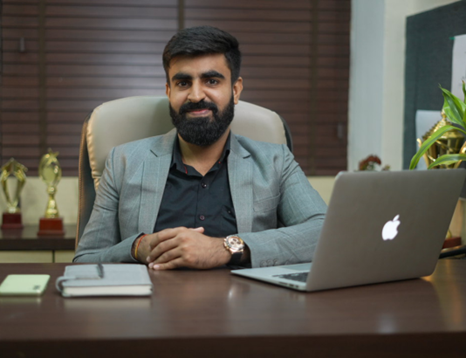
Mr. Akash Talreja (VBS PGDM – Banking & Finance, Batch of 2018–20) is making an impact as a Fraud Analyst at Bank of America. Here, Mr. Akash shares from his own experience how VBS shaped his career, the challenges of fraud analytics, and offers tips for students aiming to build a career in the field of risk and compliance.
1. Working as a Fraud Analyst at Bank of America must require sharp observation—what does your role typically involve?
In my role as a Fraud Analyst, attention to detail and analytical thinking are essential. I primarily focus on resolving and mitigating fraud-related issues, minimizing risks, and ensuring the integrity of financial operations. A large part of my work involves conducting thorough documentation and research to support the decisions made on alerts or suspicious activities. Each decision requires careful consideration, as it directly impacts customers and the institution. Balancing speed and accuracy is crucial because fraud incidents often require quick, yet precise responses.
2. During your PGDM at Vivekanand, were there any specific subjects, projects, or experiences that helped build your analytical mindset?
Absolutely. courses on fundamental data analysis laid a strong foundation for understanding and interpreting financial data. I worked on projects like updating indices for the top five companies in the finance housing sector, which helped me track trends and patterns in real-world scenarios. Another important project involved financial modeling, where I learned to structure and analyze complex financial information systematically. These experiences honed my problem-solving skills and prepared me for the analytical rigor required in banking and fraud analytics..
3. How has working in the banking sector shaped your perspective on risk management and financial security?
Working in banking has really taught me how important it is to strike the right balance between keeping things convenient for customers and making sure everything is secure. Fraud is constantly changing, so you always have to stay a step ahead. Over time, I’ve also come to appreciate how vital compliance and regulations are. They’re what keep the trust between banks and customers strong. For me, financial security isn’t just about avoiding losses; it’s about making sure the bank operates reliably and maintains its reputation.
4. What advice would you give Vivekanand students who are interested in building a career in risk, compliance, or fraud analytics?
I’d tell students to focus on building a strong foundation in Data analysis, financial concepts and regulatory requirements. It’s equally important to keep up with new trends and technologies, because fraudsters are always finding new ways to exploit gaps. The work can be challenging, but it’s also very rewarding as you’re playing a direct role in protecting people and institutions. Being alert, curious, and willing to learn constantly are what help you do well in this field.